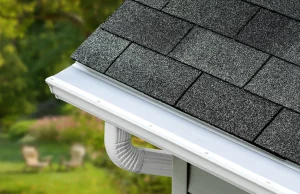
Clogged gutters can turn from a minor inconvenience into a major home disaster. Water damage to your foundation, basement flooding, and costly repairs are just some of the consequences homeowners face when their gutters fail to function properly. Gutter guards offer a practical solution to these problems by keeping debris out while allowing water to flow freely.
This comprehensive guide will help you understand the different types of gutter guards available, their benefits and drawbacks, and how to choose the right system for your home. Whether you’re dealing with falling leaves, pine needles, or other debris, you’ll learn everything you need to make an informed decision about protecting your home’s drainage system.
Why You Need Gutter Guards
Your gutters work hard to protect your home by directing rainwater away from your foundation. When they become clogged with leaves, twigs, and other debris, they can’t do their job effectively. The consequences of neglected gutters extend far beyond simple overflow.
Structural Damage to Your Home
Clogged gutters create a cascade of problems that can compromise your home’s structural integrity. When water can’t flow properly, it pools and overflows, leading to several serious issues:
- Rotting fascia and soffit: Water backup causes wood components to deteriorate, creating expensive repair needs
- Foundation damage and basement flooding: Improperly diverted water can seep into your foundation, causing cracks and potentially flooding your basement
- Mold and mildew growth: Excess moisture creates ideal conditions for harmful mold development
- Pest infestations: Standing water and debris attract insects, rodents, and birds looking for nesting sites
- Roof damage: Ice dams and water backup can damage shingles and underlying roof structures
Safety Concerns with Manual Cleaning
Beyond structural damage, gutter maintenance poses significant safety risks. Ladder-related injuries affect approximately 164,000 people annually, with many of these accidents occurring during routine home maintenance tasks like gutter cleaning. The combination of heights, wet conditions, and heavy debris makes gutter cleaning one of the most dangerous household chores.
Gutter guards significantly reduce the frequency of cleaning required, helping you avoid these dangerous ladder climbs while maintaining your home’s protection.
Types of Gutter Guards
Understanding the different types of gutter guards available will help you choose the best option for your specific needs, budget, and home environment.
Brush Guards
Brush guards consist of cylindrical devices filled with bristles that fit directly inside your gutters. These guards catch larger debris like leaves and twigs while allowing water to flow through the spaces between bristles.
Advantages:
- Simple DIY installation with no special tools required
- Cost-effective solution at approximately $7.66 per linear foot
- Excellent for blocking pine needles and larger debris
- Easy to remove for cleaning or replacement
Disadvantages:
- Smaller particles can become trapped in bristles
- Require regular maintenance to prevent buildup
- May become less effective in wet climates where debris can mat together
Best for: Homeowners seeking an affordable, DIY-friendly option who are willing to perform regular maintenance, particularly in areas with pine trees or moderate debris levels.
Foam Inserts
Foam gutter guards are porous inserts that fit directly into your gutters. They allow water to pass through while blocking larger debris from entering the gutter system.
Advantages:
- Extremely affordable at around $6.31 per linear foot
- Easy installation without professional help
- Available in various colors to match your gutters
- Immediate debris blocking capability
Disadvantages:
- Short lifespan of only a few seasons
- Can trap moisture, leading to mold and mildew growth
- May deteriorate quickly in humid conditions
- Debris can accumulate on top, reducing effectiveness
Best for: Budget-conscious homeowners looking for a temporary solution, particularly effective in dry climates where durability concerns are minimized.
DIY Screens
Screen guards are flat or curved mesh covers that sit over the top of gutters, filtering out leaves and larger debris while allowing water to flow through.
Advantages:
- Widely available at home improvement stores
- Affordable option for basic protection
- Can be installed by most homeowners
- Covers the entire gutter opening
Disadvantages:
- May not filter fine debris effectively
- Can warp or detach during severe weather
- Limited durability compared to professional systems
- May require frequent adjustments or replacements
Best for: Homeowners wanting basic protection at minimal cost, particularly suitable for areas with primarily large-leaf debris.
Micro-Mesh Toppers
Micro-mesh guards feature extremely fine mesh openings that keep out even the smallest debris while allowing water to flow freely. These high-grade systems typically use stainless steel or aluminum construction.
Advantages:
- Superior filtration capability for all debris sizes
- Long-lasting durability with minimal maintenance needs
- Excellent performance in all weather conditions
- Professional appearance that maintains curb appeal
Disadvantages:
- Higher initial cost at approximately $7.53 per linear foot
- Often require professional installation for optimal performance
- May need occasional cleaning of accumulated fine debris
- Premium pricing compared to other options
Best for: Homeowners seeking a long-term, low-maintenance solution with superior performance, especially those dealing with fine debris like pine needles or roof granules.
Hood-Style Systems (Reverse Curve Guards)
Hood-style gutter guards use surface tension principles to direct water into gutters while allowing debris to slide off the curved surface. These systems completely cover the gutter opening.
Advantages:
- Highly effective in heavy rainfall conditions
- Excellent protection from large debris
- Reduces cleaning frequency significantly
- Durable construction for long-term use
Disadvantages:
- More visible from ground level, affecting home aesthetics
- Higher cost at around $6 per linear foot
- Always requires professional installation
- Can contribute to ice dam formation in cold climates
Best for: Homes in areas with heavy rainfall and large debris, where minimal maintenance is the primary goal and visibility concerns are secondary.
PVC Gutter Guards
PVC covers are solid guards that provide complete blockage of debris while directing water flow into gutters through strategically placed openings.
Advantages:
- Extremely affordable at approximately $0.70 per linear foot
- Excellent durability and weather resistance
- Mildew-resistant properties
- Complete debris blocking capability
Disadvantages:
- Can be challenging for DIY installation
- May crack or warp in extreme temperature conditions
- Limited effectiveness in areas with fine debris
- Potential for water overflow during heavy rainfall
Best for: Homeowners in temperate climates seeking maximum debris protection at minimal cost, particularly effective for blocking large debris like sticks and heavy leaf fall.
Factors to Consider When Choosing Gutter Guards
Selecting the right gutter guard system requires careful consideration of several key factors that will determine the effectiveness and value of your investment.
Climate Considerations
Your local weather patterns significantly impact gutter guard performance. In areas with heavy rainfall, you’ll need guards that can handle high water volume without overflow. Cold climates require systems that won’t contribute to ice dam formation, while humid regions need guards that resist mold and mildew growth.
Dry climates offer more flexibility in guard selection, as moisture-related issues are less concerning. However, areas prone to wildfires may benefit from guards that provide ember protection.
Type of Debris
The debris common in your area should guide your guard selection. Large leaves and twigs can be managed by most guard types, while fine debris like pine needles or roof granules requires micro-mesh systems for effective filtering.
Areas with mixed debris types may benefit from multi-layered systems or professional-grade solutions that can handle various particle sizes effectively.
Home Layout and Architecture
Your roof’s pitch, gutter size, and architectural style influence which guards will work best. Steep roofs generate more water velocity, requiring guards designed to handle high-flow conditions. Complex rooflines may need professional installation to ensure proper coverage.
Consider how visible the guards will be from the ground and whether they’ll complement your home’s appearance. Some systems are more discreet than others.
Budget and Long-term Value
While initial cost is important, consider the total cost of ownership, including maintenance requirements and lifespan. Cheaper options may require more frequent replacement, while premium systems offer better long-term value through durability and reduced maintenance needs.
Factor in potential savings from reduced professional cleaning services and prevented water damage when calculating the return on investment.
Material Quality and Durability
The material quality directly impacts performance and longevity. Stainless steel offers superior durability but costs more than aluminum or plastic options. Consider your local environment’s impact on different materials when making your selection.
UV resistance, corrosion protection, and thermal expansion properties all affect long-term performance and should influence your decision.
Installation and Maintenance
The installation process varies significantly between different gutter guard types, affecting both cost and performance outcomes.
DIY vs. Professional Installation
Simple systems like brush guards and foam inserts are designed for homeowner installation. These typically require basic tools and can be completed in a weekend. However, ensure you’re comfortable working on ladders and understand your gutter system before attempting DIY installation.
Professional installation becomes necessary for complex systems like micro-mesh guards and hood-style systems. These require precise fitting, proper fastening techniques, and often involve modifications to existing gutters. Professional installation typically includes warranties and ensures optimal performance.
Maintenance Requirements
Even the best gutter guards require some maintenance. Brush guards need regular debris removal from bristles, while foam inserts require periodic replacement. Screen systems may need occasional washing to maintain effectiveness.
Professional-grade systems like micro-mesh guards require minimal maintenance but benefit from annual inspections to ensure continued effectiveness. Plan for occasional professional cleaning to maintain warranties and optimal performance.
Seasonal Considerations
Different seasons present unique challenges for gutter guard systems. Fall brings heavy leaf loads that can overwhelm inadequate systems. Winter ice formation can damage improperly installed guards or create ice dams with certain designs.
Spring cleaning should include gutter guard inspection for winter damage, while summer storms may deposit unexpected debris loads that require attention.
Potential Problems with Gutter Guards
While gutter guards offer significant benefits, understanding potential issues helps you make realistic expectations and choose appropriate solutions.
Ice and Snow Issues
Gutter guards can contribute to ice dam formation in cold climates by providing additional surface area for ice accumulation. Some designs trap snow that later melts and refreezes, creating drainage problems.
Choose guards designed for cold climates and ensure proper attic insulation and ventilation to minimize ice-related problems.
Ongoing Maintenance Needs
No gutter guard system is completely maintenance-free. Debris will accumulate on guard surfaces, requiring periodic cleaning to maintain effectiveness. Fine debris can gradually clog even micro-mesh systems, necessitating professional cleaning.
Budget for ongoing maintenance costs and factor these into your total ownership calculations when comparing systems.
Installation and Performance Issues
Improper installation can create more problems than solutions. Poorly fitted guards may allow debris entry, create water overflow, or damage existing gutters. Some guards may void roof warranties if installed incorrectly.
Ensure proper installation through reputable professionals or thorough research for DIY projects.
Water Flow Limitations
Some guard designs can restrict water flow during heavy rainfall, causing overflow and defeating the system’s purpose. This is particularly problematic on steep roofs or in areas with intense storm activity.
Choose guards rated for your area’s typical rainfall intensity and roof characteristics.
Debris Accumulation Above Guards
Seeds, small twigs, and organic matter can accumulate on guard surfaces, potentially sprouting into plants that can damage your roof or gutters. Regular inspection and cleaning prevent these issues from developing.
Aesthetic Considerations
Some gutter guard systems are more visible than others, potentially affecting your home’s appearance. Consider the visual impact when selecting guards, especially on homes with architectural significance or strict homeowner association requirements.
Making the Right Choice for Your Home
Protecting your home with the right gutter guard system represents a smart investment in both convenience and property protection. The key lies in choosing a system that matches your specific needs while working with professionals who understand local conditions and installation requirements.
Remember that gutter guards are not maintenance-free solutions, but they can dramatically reduce your maintenance burden while providing superior home protection. The right system will minimize dangerous ladder climbs, prevent expensive water damage, and maintain your home’s value for years to come.
Take time to research your options thoroughly, consult with experienced professionals, and choose a system that fits your budget, climate challenges, and maintenance preferences. Quality installation and ongoing support make the difference between a good investment and a great one.
Ready to Protect Your Home? Get Started Today
Don’t wait for the next storm to discover your gutter vulnerabilities. Leaf Blocker’s professional team is ready to assess your home’s specific needs and provide solutions that deliver lasting protection.
Schedule your free home defense assessment today and discover why homeowners throughout the region trust Leaf Blocker for superior gutter protection. Our trained technicians will evaluate your property, explain your options, and provide transparent pricing for a system designed specifically for your home.
Contact Leaf Blocker now to take the first step toward worry-free gutter protection. Your future self will thank you for this smart investment in convenience and home protection.Get Your Free Estimate – Because your home deserves the best protection available.
Gutter Guard FAQs – Everything Homeowners Need to Know
What are the main benefits of installing gutter guards on my home?
Gutter guards keep out leaves, pine needles, and debris, reducing clogs and costly water damage. They minimize cleaning, prevent foundation cracks, and extend gutter life by improving water flow and reducing wear.
Do gutter guards require maintenance, and what does that involve?
Gutter guards need minimal maintenance. Occasional inspections or light cleaning remove small debris. Many homeowners use professional checkups to keep systems clear, maintain peak performance, and ensure warranty coverage.
What does the installation process involve, and how long does it take?
Installation includes gutter cleaning, resealing, re-pitching, adding support brackets, and fitting the guard system. Most projects finish in one to two days, depending on home size and roof complexity, after a free assessment.
How much do gutter guards cost, and what factors affect the price?
Costs vary by home size, roof pitch, and system type. Premium gutter guards average $15–$30 per foot. Though pricier upfront, they save money long-term by preventing clogs, water damage, and repeated cleanings. Free quotes ensure clarity.
What warranty protection is available with gutter guards?
Most premium systems include a limited lifetime warranty covering clogs and material performance. This guarantees long-term protection, reliable water flow, and peace of mind knowing your gutters are backed by professional support.